
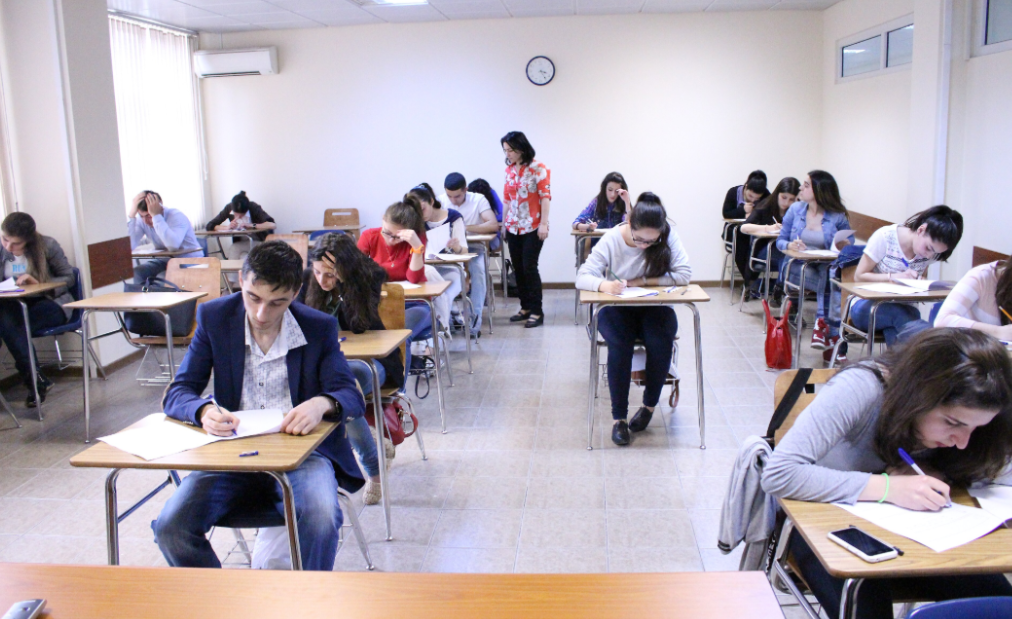
Many students, including OHSers, study regularly, take summer classes, and take advanced courses. They often genuinely enjoy learning, not only to be competitive for college applications, but also because learning can be a form of self-enrichment. However, when students devote too much time to academics and neglect activities outside of school that they are passionate about, it can actually jeopardize their success.
Overstudying can cause burnout and mental strain, which can trigger stress, anxiety, and eventually even a loss of motivation. Various studies show that students who are burnt out have lower academic performance. A 2023 study conducted in Turkey found that school burnout significantly decreases academic achievement. Similarly, at a university in Finland, a study found that students classified in the “exhausted and inefficacious” group reported lower GPAs and earned fewer study credits compared to students in the “interested not burned-out” group. These findings show that excessive pressure can severely influence the mental health of students, undermining their academic performance.
Sleep is an important factor in preventing burnout. According to the Centers for Disease Control and Prevention (CDC), teenagers aged 13 to 18 should get 8 to 10 hours of sleep each night. Teenagers who do not get enough sleep are at higher risk of obesity, diabetes, injuries, and poor mental health.
To avoid burnout, students also need to do activities that they enjoy. They need to have a balance between school and relaxation. Not only do many feel better by maintaining balance, but they also often notice improved grades. A great way to avoid burnout is to spend time outdoors. A study led by researchers at the University of Utah shows that as little as ten minutes in a natural setting can lower stress levels and improve emotional well-being.
I have personally experienced the benefits of spending time outdoors. When I am feeling a bit stressed about an upcoming assignment, walking outdoors allows my mind to refocus and gives clarity, improving the outcome of my work. Even if spending time outdoors is not your thing, you should still find ways to unwind, such as knitting, journaling, or some other relaxing hobby. Reaching out to a parent, the OHS counselors, classmates, and trusted friends are also great ways to find support and preserve your mental health.
Avoiding burnout is not only essential for students’ well-being but also for their academic success. However, it is important to balance recreation with school. Students should avoid feeling exhausted by academic pressure, but they should also avoid neglecting their responsibilities altogether. Finding that balance is key. Utilizing tools such as calendars and schedules is a great practice to find that happy medium.