
Colorful wildflower meadows dappled in sunshine give way to wispy air and the sound of crunchy brown leaves. Fall has arrived, but that doesn’t mean that gardening is over. Autumn gives us the chance to harvest summer’s fruits, plan ahead for the warmer months, and enjoy seasonal bursts of life.
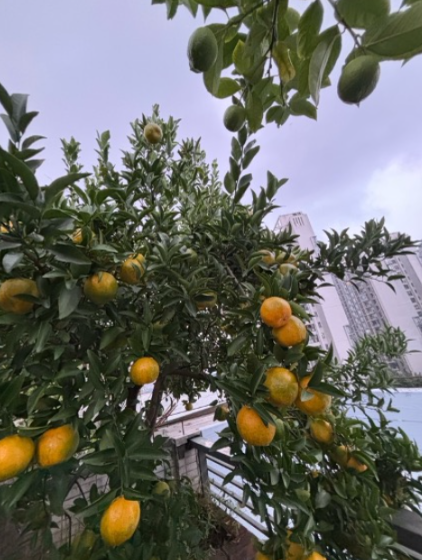
One of the joys of gardening is growing your own food, and as an added bonus, this provides the freedom to cultivate as little or as much as you desire. Mr. Bennette, a writing instructor at Stanford Online High School, shares his own experience with home gardening and says that when you garden“you grow your trees, manage them, prune them and keep them small so that they produce just enough fruit for yourself.”
With these experiences, Mr. Bennette maintains a diverse garden that’s specifically tailored to the kind of produce he wants: “I have everything from persimmons to figs, and we have two or three different types of apple trees, as well as about four or five avocado trees, and various types of plums.”
Now, in the middle of fall, some seasonal vegetables can thrive as much as flowers do in the spring. According to the Farmers’ Almanac, autumn’s cool air slows down weed growth as well as reducing the number of bugs roaming around.
Ms. Birge-Liberman, a biology instructor at Stanford Online High School, makes use of fall’s warm soil to grow sugar snap peas and kale, explaining that the plants “enjoy the colder weather and that there are fewer pests to eat them as well.”
Mr. Bennette also mentions various vegetables that are suitable for November and December’s coldness. He suggests growing plants like broccoli, bok choy, or any of the choys and any green leafy vegetable as they thrive in cooler weather.
Gardening not only provides relaxation and accomplishment, but it gives people an opportunity to think about our natural surroundings and how organisms interact with each other. Ms Birge-Liberman, being an experienced biology teacher, has an eye for incorporating her field of study with everyday gardening.“I’m trying really hard to convert our yard to mostly native species,” says Ms. Birge-Liberman. “The problem with invasive species is that they will take over and crowd out native species, which allows less food for native birds and insects and pollinators.”
According to the National Wildlife Federation, approximately 42 percent of threatened or endangered species are at risk due to invasive species. Invasive species pose a serious threat to the natural balance by outcompeting native organisms for vital resources such as food, space, and sunlight. Once introduced, they often spread rapidly because they lack natural predators or diseases to keep their populations in check. This ends up altering the local food webs and reducing biodiversity.
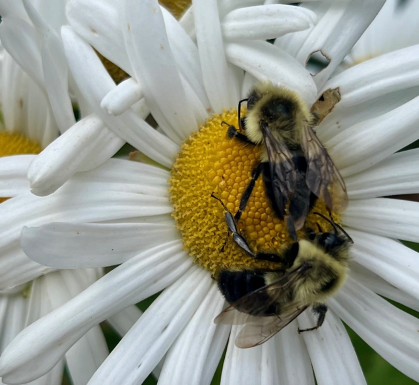
To make gardens more supportive of native species, Ms. Birge-Liberman mentioned that“one of the things I’ve been working hard on is trying to leave more and more leaf clutter in the garden because that’s where a lot of our honeybees nest over through the winter.”
Another way to make your garden more sustainable is through companion planting. Ms. Birge-Liberman shares her knowledge in the biological realm and explains that certain species grow well together, creating a symbiotic relationship. For instance, basil will act as a natural pest detergent against organisms that eat tomatoes. Similarly, nasturtiums and marigolds are also plants that will naturally keep different pests away.
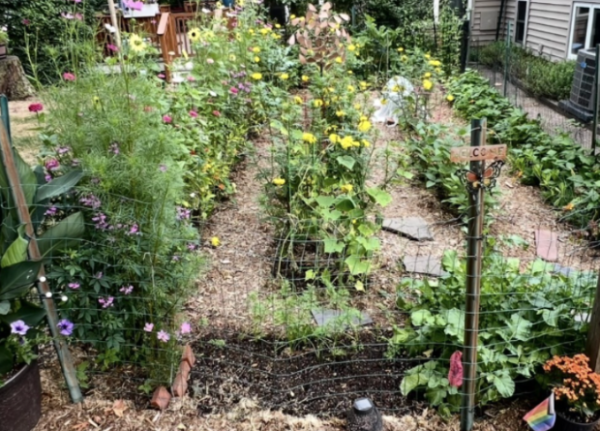
Considering the reasons behind gardening is also key. Starting and committing to a garden equals receiving a stable source of happiness and relaxation. Once a firm foundation is built, a love of gardening never stops, becoming a natural part of one’s life.
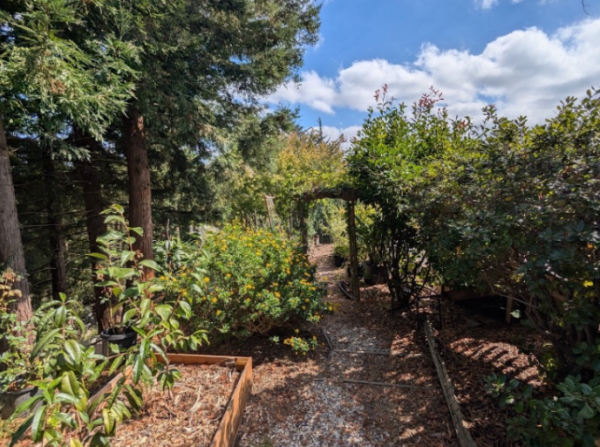
No matter what terrain or temperature, a garden can always thrive with the right adjustments. Mr. Bennette started his downward sloping garden in the San Francisco Bay Area during Covid-19 and it has been flourishing ever since. “I’ve terraced over the course of the last six or seven years. It’s a nice opportunity just to be by yourself and relax and not have to worry about anybody or anything else, and just do your own thing,” said Mr. Bennette.
When considering their busy schedules, many people are doubtful if they have the time to maintain a garden. However, gardening contains the flexibility busy people need without reducing its enjoyment and satisfaction. As Mr. Bennette says, “If I start a project, but I have another section that I’m working on right now and I’ve been busy with work, I’ll deal with it on the weekend if I feel like it. If I don’t, it’ll be okay. It’ll still be there.”
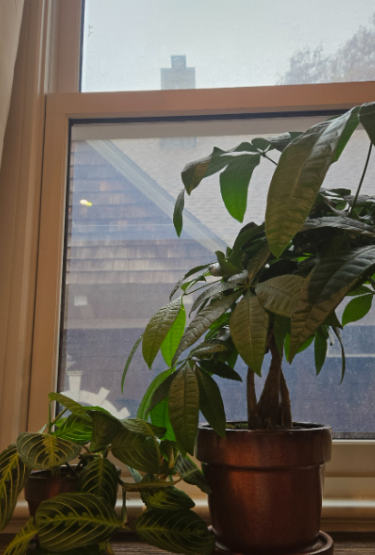
Another option that is especially suitable for students with heavy workloads are indoor plants! They provide a green touch to houses while also being convenient through their low maintenance and less-frequent need of sunlight and water. OHS student Sydney Bryne (‘29), who owns a money tree and a prayer plant says, “Since I’ve started keeping plants, my mood and quality of life has improved. Giving me something that I need to care for has also helped with motivation. And, of course they brighten up my room!”